The logistics industry has undergone a remarkable transformation, driven by advancements in technology, globalization, and evolving customer expectations. Modern Shipping Services have become the cornerstone of global trade, enabling businesses to transport goods efficiently across borders, whether by air, sea, or land. Companies like GCT Freight have embraced these changes, offering a range of services such as custom clearance, road express, sea freight, and air freight.
Table of Contents
ToggleThe Rise of Modern Shipping Services
Technological Advancements in Logistics
Modern Shipping Services rely heavily on technology to streamline operations and enhance efficiency. Tools like air cargo tracking software allow businesses to monitor shipments in real-time, providing transparency and reducing delays. Automation in warehouses, GPS-enabled tracking systems, and digital documentation have minimized errors and accelerated delivery times. For instance, custom clearance procedures have become faster with digital platforms that simplify compliance with international regulations. These advancements ensure that goods move seamlessly, meeting the demands of today’s fast-paced markets.
Integration of Multi-Modal Transport
A hallmark of modern shipping services is the integration of multiple transport modes—air, sea, and land—to optimize logistics. Sea freight services are ideal for bulk shipments due to their cost-effectiveness, while air freight is preferred for time-sensitive deliveries. Road express services provide last-mile connectivity, ensuring goods reach their final destination. By combining these modes, companies can tailor solutions to meet specific needs, balancing cost, speed, and reliability. For businesses looking to streamline their logistics, booking a pick-up with a provider like GCT Freight ensures a seamless multi-modal experience.
Challenges and Solutions in Modern Shipping Services
Navigating Regional Challenges
In regions like Egypt, logistics face unique challenges due to infrastructure limitations, regulatory complexities, and geographic constraints. The logistics of shipping in Egypt require specialized knowledge to navigate customs regulations and port operations. For instance, challenges in Egyptian land shipping include road congestion and inconsistent infrastructure, which can delay deliveries. Modern shipping services address these issues through strategic planning and technology. For example, route optimization software helps avoid delays, while partnerships with local authorities streamline custom clearance processes.
Growth in Egyptian Shipping Sectors
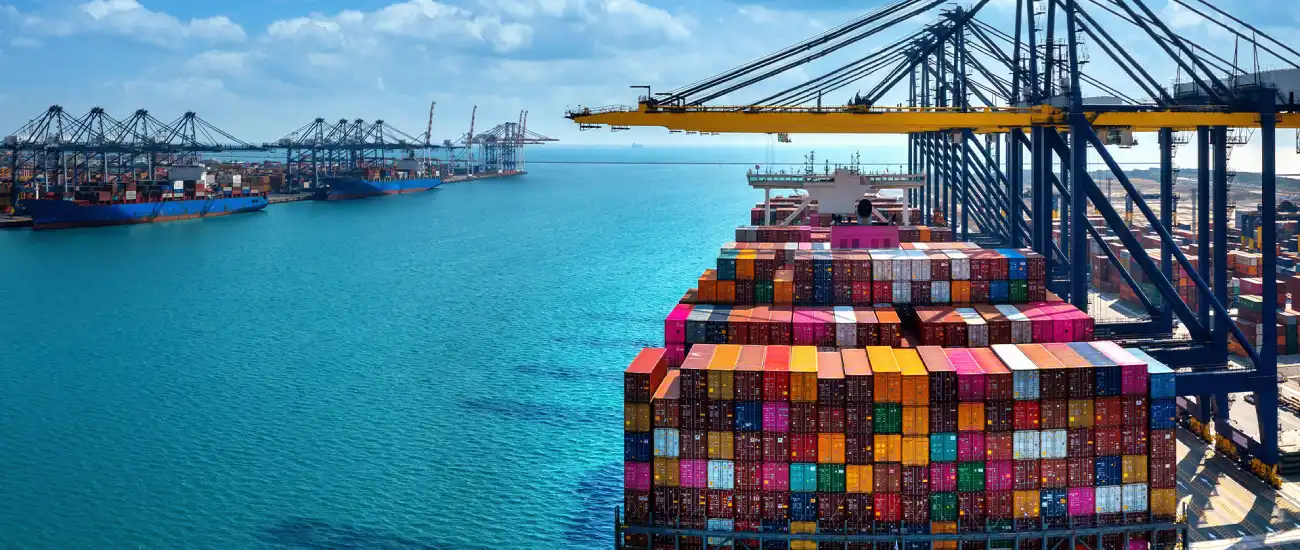
Egypt’s strategic location as a gateway between Africa, Asia, and Europe has fueled the growth of Egyptian sea shipping. Ports like Alexandria and Port Said handle significant cargo volumes, supported by modern shipping services that ensure efficient handling and documentation. Similarly, the development of Egyptian air shipping has been driven by investments in airport infrastructure and cargo handling facilities. These advancements enable businesses to leverage Egypt’s position for global trade, with air import freight forwarding processes ensuring timely delivery of high-value goods.
Benefits of Modern Shipping Services
Efficiency and Cost Savings
Modern shipping services prioritize efficiency, reducing transit times and operational costs. By leveraging data analytics, companies can forecast demand, optimize routes, and minimize fuel consumption. For businesses, this translates to lower shipping costs and faster delivery times. GCT Freight’s resources provide valuable insights into optimizing logistics operations, helping businesses make informed decisions.
Enhanced Customer Experience
Customer expectations have evolved, with demands for faster deliveries and real-time updates. Modern shipping services meet these needs through transparent tracking systems and responsive customer support. For instance, GCT Freight’s forms and documents section simplifies paperwork, allowing customers to focus on their core operations. Additionally, blog articles offer tips on navigating logistics challenges, empowering businesses with knowledge.
Sustainability in Logistics
Sustainability is a growing focus in modern shipping services. Companies are adopting eco-friendly practices, such as using fuel-efficient vehicles and optimizing routes to reduce carbon emissions. Sea freight, in particular, is a low-carbon option for long-haul shipping, as highlighted in GCT Freight’s sea freight services. By integrating sustainable practices, modern shipping services contribute to environmental conservation while meeting business needs.
The Future of Modern Shipping Services
The future of logistics lies in continued innovation and adaptability. Emerging technologies like blockchain, artificial intelligence, and autonomous vehicles are set to further transform modern shipping services. Blockchain can enhance supply chain transparency by securely recording transactions, while AI can predict demand fluctuations and optimize inventory. Autonomous vehicles, including drones and self-driving trucks, promise to revolutionize last-mile delivery, as discussed in GCT Freight’s blog.
In Egypt, the logistics sector is poised for growth, driven by investments in infrastructure and digitalization. The development of Egyptian air shipping and growth of Egyptian sea shipping highlight the country’s potential as a logistics hub. Companies like GCT Freight are at the forefront, offering comprehensive services that cater to diverse needs, from custom clearance to road express.
Conclusion
Modern shipping services have redefined global logistics, offering businesses efficient, reliable, and sustainable solutions. By integrating advanced technologies, multi-modal transport, and regional expertise, companies like GCT Freight address the complexities of global trade. Whether navigating the challenges of Egyptian land shipping or leveraging air cargo tracking software, modern shipping services empower businesses to thrive in a competitive market. For those looking to optimize their logistics, exploring GCT Freight’s resources or booking a pick-up is a great starting point. As the industry evolves, modern shipping services will continue to drive innovation, ensuring seamless connectivity in global trade.
Further Reading:
National Institute of Standards and Technology (NIST) – Cybersecurity Framework
International Maritime Organization (IMO) – GHG Reduction Strategy
FAQs:
How can I track my shipment in real-time?
Modern shipping services, like those offered by GCT Freight, provide air cargo tracking software and similar tools for real-time shipment monitoring. By accessing these platforms, you can get instant updates on your shipment’s location and status.
What is involved in the custom clearance process?
Custom clearance involves preparing and submitting documentation to comply with international regulations. GCT Freight’s custom clearance services streamline this process using digital platforms to ensure compliance and minimize delays.
How do I choose between air, sea, or road transport?
The choice depends on your priorities. Air freight is ideal for urgent, high-value shipments, sea freight suits bulk goods with lower costs, and road express is best for last-mile delivery. GCT Freight can help tailor a multi-modal solution to balance cost and speed.
Are modern shipping services sustainable?
Yes, many providers, including GCT Freight, adopt eco-friendly practices like fuel-efficient vehicles and route optimization to reduce carbon emissions, particularly in sea freight services.
How does modern shipping technology protect my shipment data?
Modern shipping services employ enterprise-grade security to safeguard your data. This includes end-to-end encryption for all digital documents, secure cloud storage, and multi-factor authentication for system access. These measures ensure that sensitive commercial information, such as invoices and cargo details, is protected from unauthorized access throughout the shipping lifecycle, providing you with complete peace of mind.