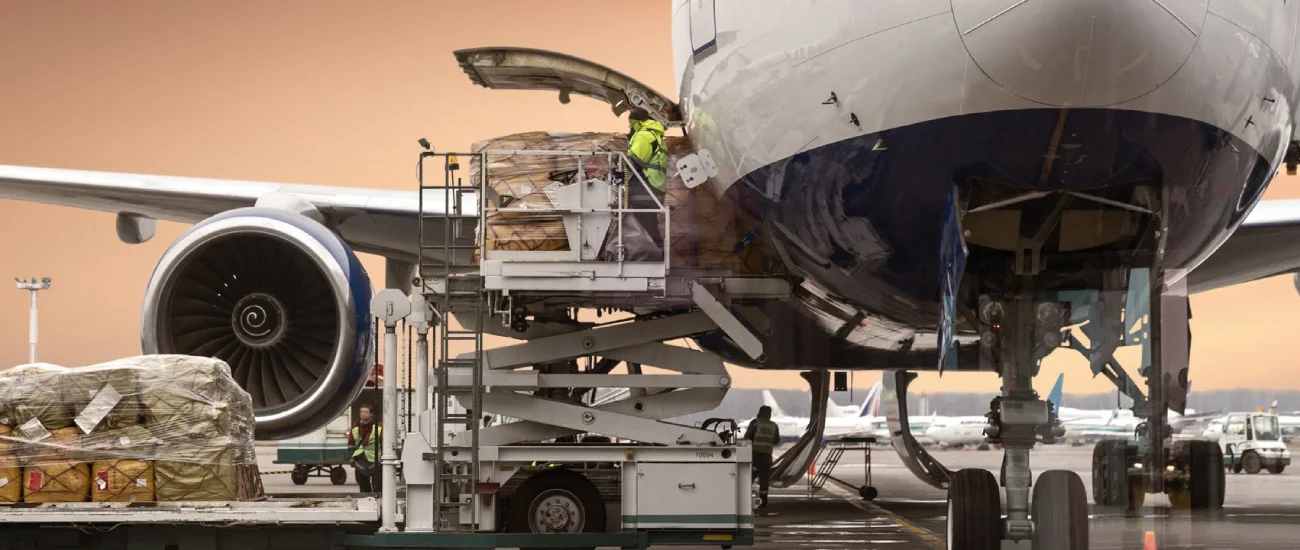
Air shipping in Egypt is a vital component of the country’s logistics and transportation sector, especially for high-value, time-sensitive, and perishable goods. While it represents a smaller volume compared to sea and land transport, air freight plays a crucial role in supporting international trade, and e-commerce. Development of Egyptian air shipping is vital to critical supply chains such as pharmaceuticals and electronics.
Table of Contents
ToggleStrategic Role of Air Shipping
Egypt’s geographical location—at the crossroads of Africa, the Middle East, and Europe—gives it a natural advantage in air transportation. Cairo International Airport serves as the country’s primary air cargo hub, supported by other major airports such as Alexandria’s Borg El Arab, Sharm El-Sheikh, Hurghada, and the newly developed Sphinx and Capital International Airports.
Air shipping is particularly important for Egypt’s export sectors, including fresh produce, flowers, textiles, and high-tech products. The speed and reliability of air freight make it the preferred option when time is critical, especially in international markets. This competitive advantage has positioned Egypt as a key player in regional logistics networks, enabling businesses to meet tight delivery schedules and maintain product quality during transit.
The country’s strategic position also makes it an ideal transit point for cargo moving between continents. Many international airlines utilize Egyptian airports as stopover points, creating opportunities for cargo consolidation and distribution across multiple regions. This transit role has contributed significantly to the growth of Egypt’s shipping industry and its integration into global supply chains.
Types of Air Cargo Services
Air cargo services in Egypt are provided through two main channels: cargo-only flights and belly cargo in passenger aircraft. Dedicated cargo aircraft are used for large-volume or specialized shipments, while commercial passenger flights carry smaller shipments in their cargo holds. Both private logistics companies and national carriers, such as EgyptAir Cargo, play a role in facilitating domestic and international air freight.
The diversity of air cargo services has expanded in recent years to accommodate various client needs. Express delivery services have become increasingly popular, particularly among e-commerce businesses requiring rapid turnaround times. Specialized services for temperature-controlled shipments, hazardous materials, and oversized cargo have also been developed to serve niche markets and industries with specific requirements.
Modern shipping services in Egypt now incorporate advanced technology for real-time tracking and monitoring. Air cargo tracking software allows shippers and consignees to monitor their shipments throughout the entire journey, providing transparency and enabling proactive management of potential delays or issues.
Challenges Facing the Development of Egyptian air shipping
Despite its advantages, air shipping in Egypt faces a number of challenges. Limited cargo capacity on passenger aircraft and high shipping costs compared to other modes of transport restrict the sector’s scalability. Additionally, outdated handling facilities at some airports can lead to delays and inefficiencies in cargo processing.
Another key challenge is the regulatory environment. Lengthy customs procedures, inconsistent clearance times, and limited integration between customs and airline systems can hinder the smooth flow of air cargo, particularly for international shipments. Understanding the air cargo customs clearance procedures is essential for businesses to navigate these complexities effectively.
Infrastructure constraints also present ongoing challenges. While major airports have received upgrades, smaller regional airports often lack the specialized equipment and facilities needed for efficient cargo handling. This disparity can create bottlenecks in the logistics chain, particularly for shipments requiring multiple handling points within Egypt.
Competition from other regional hubs, such as Dubai and Doha, also puts pressure on Egypt’s air cargo sector. These competing hubs often offer more streamlined processes, better connectivity, and more competitive pricing, making it essential for Egypt to continue modernizing its infrastructure and services to remain competitive.
Ongoing Improvements and Future Potential
The Egyptian government, in collaboration with the private sector, is actively working to improve air freight infrastructure and services. Recent investments include modernizing cargo terminals, increasing cold storage capacities for perishable goods, and introducing automated systems for customs and cargo tracking.
The rise of e-commerce in Egypt and the wider Middle East is also driving demand for faster and more flexible air shipping solutions. Logistics companies are responding by expanding express delivery services and investing in technology to enhance shipment visibility and delivery accuracy. Many providers now offer integrated air import freight forwarding process solutions that streamline documentation, clearance, and final delivery.
EgyptAir Cargo is also expanding its fleet and route network to better serve global markets, positioning itself as a competitive regional carrier. Private sector investment in air cargo facilities and services continues to grow, with new partnerships between international logistics providers and local operators creating more efficient and reliable service options.
Integration with Multimodal Logistics
The future success of Egyptian air shipping depends largely on its integration with other transportation modes. Seamless connections between air cargo facilities and road express networks enable faster door-to-door delivery and reduce overall transit times. This multimodal approach allows businesses to optimize their logistics strategies by combining the speed of air transport with the cost-effectiveness of ground transportation for the final mile.
Digital transformation is also playing a crucial role in the sector’s evolution. Online booking platforms, automated documentation systems, and digital payment solutions are making it easier for businesses to access air shipping services. Companies can now book a pick up online and manage their entire shipping process through digital channels, improving efficiency and reducing administrative overhead.
Conclusion
The development of Egyptian air shipping represents both significant progress and ongoing opportunity. While challenges remain, the sector’s strategic importance to Egypt’s economy and its role in global trade continue to drive investment and innovation. As infrastructure improves, regulations become more streamlined, and technology adoption increases, Egyptian air shipping is well-positioned to capture a larger share of regional and international air cargo markets. For businesses seeking reliable logistics solutions, understanding the full scope of Egypt’s shipping landscape and available resources is essential for making informed decisions about their supply chain strategies.
FAQs:
What types of goods are commonly shipped by air in Egypt?
Air shipping in Egypt is primarily used for high-value, time-sensitive, and perishable goods including fresh produce, flowers, pharmaceuticals, electronics, textiles, medical equipment, and e-commerce packages. These items benefit from the speed and reliability that air freight services provide.
How long does air cargo customs clearance take in Egypt?
Customs clearance times can vary depending on the type of goods, documentation completeness, and specific airport procedures. Generally, clearance can take anywhere from a few hours to several days. Working with experienced providers who understand air cargo customs clearance procedures can significantly reduce delays.
Which Egyptian airports handle international air cargo?
Cairo International Airport is the primary air cargo hub, handling the majority of international shipments. Other major airports include Alexandria’s Borg El Arab, Sphinx International Airport, and the new Capital International Airport. These facilities are equipped to handle various types of cargo with different requirements.
Is air shipping more expensive than sea freight?
Yes, air shipping is generally more expensive than sea freight due to fuel costs, limited capacity, and faster delivery times. However, for time-sensitive or high-value goods, the speed and security of air transport often justify the additional cost. Businesses should evaluate their specific needs when choosing between shipping modes.
Can I track my air cargo shipment in real-time?
Most modern logistics providers offer real-time tracking capabilities through air cargo tracking software. This technology allows you to monitor your shipment’s location, status, and estimated delivery time throughout the entire journey, providing transparency and peace of mind.