In today’s global market, the air import freight forwarding process is vital for moving goods quickly and reliably across borders. From booking to final delivery, this guide explains key steps, documentation, customs procedures, and best practices to help you streamline operations, reduce delays, and ensure your shipments arrive safely and on time.
What is air import freight forwarding process?
The air freight import process is a systematic method of transporting goods internationally via aircraft, involving multiple stages from origin to destination. This process encompasses booking cargo space, preparing necessary documentation, coordinating with customs authorities, and managing final delivery to the consignee.
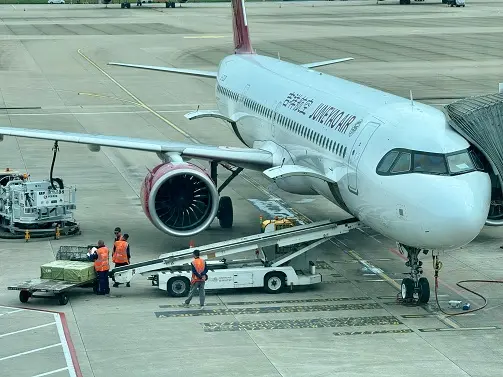
When goods are imported by air, they move through a carefully orchestrated sequence that includes pickup from the supplier, transportation to the origin airport, export customs clearance, air transit, import customs clearance, and final delivery. Each stage requires precise coordination between various parties, including freight forwarders, airlines, customs brokers, and ground handlers.
The air freight services offered by professional logistics providers streamline this complex process, ensuring compliance with international regulations while minimizing transit times. Unlike sea or land transportation, air freight offers speed advantages that make it ideal for urgent shipments, high-value goods, and temperature-sensitive products.
What Are the Common Types of Air Freight Services?
Understanding the different air freight service options helps importers choose the most suitable solution for their specific needs. Each service type offers distinct advantages depending on cargo characteristics, budget constraints, and time sensitivity.
Express Air Freight
is the fastest option, typically used for urgent shipments requiring delivery within 1-3 days. This premium service prioritizes your cargo, offering door-to-door tracking and expedited customs clearance. It’s ideal for critical spare parts, medical supplies, and time-sensitive documents.
Standard Air Freight
provides a balance between cost and speed, with transit times typically ranging from 5-10 days. This option works well for regular business shipments where speed matters but urgency isn’t critical. Most commercial air cargo falls into this category.
Consolidated Air Freight
combines smaller shipments from multiple customers into one larger consignment, reducing costs for individual shippers. While this option may take slightly longer due to consolidation and de-consolidation processes, it offers significant savings for smaller cargo volumes.
Charter Air Freight
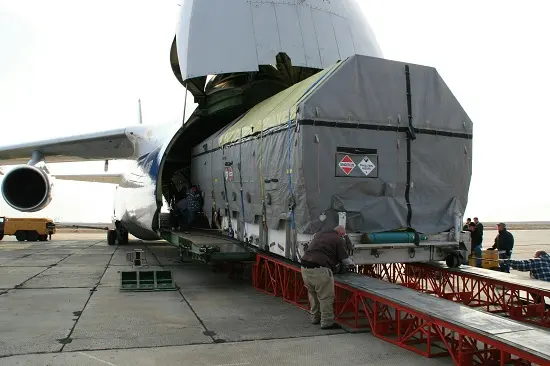
involves renting an entire aircraft for your shipment, providing maximum flexibility and capacity. This option suits oversized cargo, extremely time-sensitive deliveries, or situations where scheduled flights don’t meet specific requirements.
According to the International Air Transport Association (IATA), air cargo represents approximately 35% of world trade by value, demonstrating its critical role in global commerce.
What Makes This Process Important?
The air import freight forwarding process plays a vital role in modern supply chains, offering benefits that extend far beyond simple transportation. Understanding its importance helps businesses leverage air freight strategically.
Speed is the most obvious advantage, with air freight reducing transit times from weeks to days compared to ocean shipping. This speed enables businesses to maintain lean inventories, respond quickly to market demands, and reduce warehousing costs. For industries like fashion, technology, and pharmaceuticals, this velocity translates directly into competitive advantage.
Reliability is another crucial factor. Commercial airlines operate on fixed schedules, providing predictable transit times that help businesses plan their operations more effectively. This predictability reduces uncertainty in supply chains and enables just-in-time manufacturing strategies.
Security measures in air freight surpass other transportation modes. Airports maintain strict security protocols, and cargo remains under controlled conditions throughout the journey. This enhanced security minimizes theft risk and ensures product integrity, particularly important for high-value electronics, jewelry, and sensitive documents.
Global connectivity through air freight networks means businesses can source materials and sell products worldwide. Major airports serve as international hubs, connecting even remote locations to global markets through integrated modern shipping services.
The air import freight forwarding process, from A to Z
Breaking down the air import freight forwarding process into sequential steps reveals the complexity and coordination required for successful international shipping.
Step 1: Booking and Documentation
The process begins when an importer contacts a freight forwarder to arrange shipment. The forwarder collects essential information including commodity details, weight, dimensions, origin, destination, and required delivery date. Critical documents are prepared, including the commercial invoice, packing list, air waybill (AWB), and certificate of origin.
Step 2: Cargo Collection
The freight forwarder arranges pickup from the supplier’s location, inspecting goods for proper packaging and ensuring they meet airline safety requirements. Items are labeled with destination details and handling instructions.
Step 3: Export Customs Clearance
Before departure, cargo must clear customs at the origin country. This involves submitting required documentation and paying applicable duties or taxes. The exporter or their agent files necessary declarations with customs authorities.
Step 4: Airport Processing
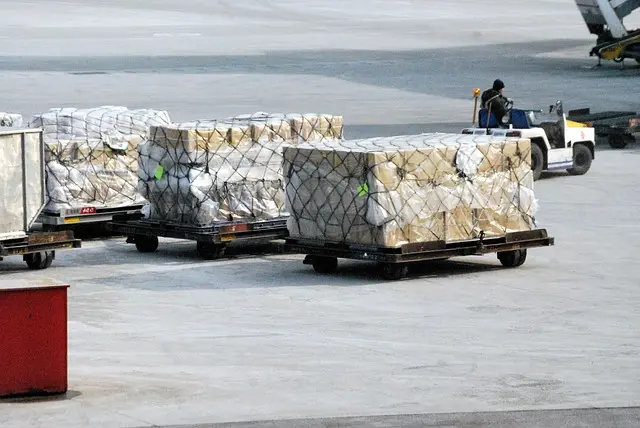
At the origin airport, cargo undergoes security screening, is weighed and measured for final billing, and is loaded onto the aircraft. Ground handling agents coordinate with airlines to ensure proper placement and securing of cargo.
Step 5: Air Transit
Goods fly directly to the destination airport or transit through hub airports for connecting flights. Advanced air cargo tracking software allows real-time monitoring throughout this stage.
Step 6: Arrival and Import Customs
Upon arrival, cargo is unloaded and transferred to the import customs area. Custom clearance services handle declaration filing, duty payment, and inspection coordination. This step can take several hours to days depending on commodity type and customs procedures.
Step 7: Final Delivery
After customs release, goods are transported to the final destination via road express services. The consignee receives notification and can track delivery progress until cargo arrives at their facility.
Who Does What? Roles and Responsibilities
The air import freight forwarding process involves multiple stakeholders, each with specific responsibilities that contribute to successful shipment execution.
Freight Forwarders serve as orchestrators, coordinating all parties and managing the entire process. They book cargo space, prepare documentation, arrange pickup and delivery, provide customs brokerage, and serve as the primary contact for importers. Their expertise in logistics of shipping in Egypt and internationally proves invaluable.
Airlines and Cargo Carriers provide air transportation, issuing air waybills, managing cargo space allocation, ensuring proper handling, and maintaining schedule reliability. They work closely with ground handlers at airports.
Customs Brokers specialize in customs compliance, preparing and filing necessary declarations, calculating duties and taxes, liaising with customs authorities, and ensuring regulatory compliance. Many freight forwarders offer integrated customs brokerage services.
Ground Handlers manage cargo at airports, receiving and inspecting shipments, conducting security screening, loading and unloading aircraft, and coordinating storage when necessary.
Customs Authorities regulate international trade by inspecting cargo, collecting duties and taxes, enforcing trade regulations, and clearing shipments for entry into the country.
The Importer or consignee bears ultimate responsibility for providing accurate information, ensuring proper payment, maintaining import licenses when required, and receiving cargo at the final destination.
How does GCT provide customs clearance support?
Customs clearance represents one of the most complex aspects of the air import freight forwarding process, and GCT Freight has developed specialized expertise to navigate these challenges efficiently.
GCT’s customs team maintains up-to-date knowledge of Egyptian customs regulations, tariff classifications, and documentation requirements. They begin by thoroughly reviewing all shipment documentation before arrival, identifying potential issues that could cause delays. This proactive approach prevents last-minute problems at customs.
The company’s established relationships with customs authorities facilitate smoother processing. GCT’s customs brokers communicate directly with officials, responding promptly to queries and resolving discrepancies quickly. This direct access significantly reduces clearance times compared to importers attempting to navigate customs independently.
GCT handles the entire customs declaration process, including Harmonized System (HS) code classification, which determines applicable duty rates. Accurate classification is crucial for avoiding unnecessary fees and compliance issues. Their experienced team ensures correct classification based on product descriptions and characteristics.
Throughout the clearance process, GCT provides transparent communication, updating clients on customs status, duty calculations, and estimated release times. This transparency allows importers to plan subsequent distribution activities effectively.
For businesses new to importing or dealing with specialized commodities, GCT offers consultation services explaining regulatory requirements, suggesting documentation improvements, and recommending strategies to optimize customs costs. Their forms and documents resources help clients prepare correctly from the start.
Ready to transform your logistics?
Get a Quote on WhatsApp
Click the button above to chat directly with our logistics experts. We’ll address your needs and craft a solution tailored specifically for your business.
How will GCT ensure the security of my air imports?
Security concerns naturally arise when valuable cargo travels internationally. GCT Freight implements comprehensive security measures throughout the air import freight forwarding process to protect client shipments.
Pre-shipment Security begins with supplier verification and proper packaging requirements. GCT works with trusted suppliers and requires tamper-evident packaging for high-value goods. All cargo undergoes initial inspection during pickup to document condition and identify any pre-existing damage.
Transportation Security includes using secure vehicles with GPS tracking for ground transportation to airports. Drivers receive security training and follow prescribed routes. Cargo remains sealed and monitored during airport processing, with restricted access to authorized personnel only.
Airport Security Compliance ensures all shipments meet strict aviation security standards. GCT coordinates required security screening, maintains chain-of-custody documentation, and works with certified screening facilities when handling sensitive cargo.
Insurance Coverage provides financial protection against loss, damage, or theft. GCT offers cargo insurance options tailored to shipment value and risk levels. This insurance covers goods from pickup through final delivery, giving clients peace of mind.
Technology Integration enhances security through real-time tracking systems that monitor shipment location and status continuously. Any deviations from expected routes or delays trigger immediate alerts, allowing rapid response to potential security issues.
Facility Security at GCT’s warehouses includes 24/7 surveillance, controlled access systems, and regular security audits. When cargo requires temporary storage, it’s held in secure areas with climate control and fire suppression systems.
Clarifying 3 Common Air Freight Shipping Terms
Understanding industry terminology improves communication and helps importers navigate the air import freight forwarding process more effectively. Three terms frequently cause confusion:
Air Waybill (AWB)
is the primary transport document for air cargo, serving as proof of contract between shipper and carrier. Unlike ocean bills of lading, AWBs are non-negotiable documents and don’t represent title to goods. Each AWB contains an 11-digit tracking number unique to the shipment, enabling tracking throughout transit. Master AWBs cover consolidated shipments, while house AWBs identify individual consignments within consolidations.
Chargeable Weight
determines shipping costs and differs from actual weight in many cases. Airlines calculate chargeable weight by comparing actual weight with volumetric weight, then charging for whichever is greater. Volumetric weight accounts for cargo dimensions using the formula: (Length × Width × Height in cm) ÷ 6000. This calculation ensures light but bulky cargo is charged appropriately based on space consumption.
Incoterms
(International Commercial Terms) define responsibilities between buyers and sellers in international transactions. Common Incoterms for air freight include:
- EXW (Ex Works): Buyer assumes all responsibility from seller’s premises
- FOB (Free On Board): Seller handles export clearance and delivery to departure airport
- CIF (Cost, Insurance, and Freight): Seller pays for transportation and insurance to destination
- DDP (Delivered Duty Paid): Seller assumes all costs and risks until goods reach buyer’s location
Understanding these terms prevents misunderstandings about who pays for what and when risk transfers between parties.
Why choose GCT’s air import freight forwarding process?
GCT Freight distinguishes itself through specialized expertise, customer-focused service, and proven reliability in handling the air import freight forwarding process.
Experience and Expertise – With years of experience managing air imports into Egypt, GCT understands the unique challenges of Egyptian air shipping development and regulatory environment. This experience translates into smoother operations and fewer surprises for clients.
Comprehensive Service Portfolio – Beyond air freight, GCT offers integrated logistics solutions including sea freight, road express delivery, warehousing, and distribution. This multimodal capability allows flexible solutions tailored to specific requirements.
Technology-Enabled Transparency – GCT’s tracking systems provide real-time shipment visibility, allowing clients to monitor progress from origin to final delivery. Automated notifications keep stakeholders informed about key milestones and potential delays.
Competitive Pricing – Strong relationships with airlines and consolidators enable GCT to negotiate favorable rates, passing savings to clients. Transparent pricing structures eliminate hidden fees and unexpected charges.
Responsive Customer Service – Dedicated account managers provide personalized attention, answering questions promptly and resolving issues quickly. The team’s accessibility during business hours ensures clients receive timely support when needed.
Customs Expertise – As a licensed customs broker, GCT handles clearance efficiently, minimizing delays and ensuring compliance. Their knowledge of Egyptian customs procedures proves particularly valuable for businesses importing into the region.
Flexible Solutions – Understanding that every business has unique needs, GCT offers customized solutions rather than one-size-fits-all packages. Whether you need express delivery or cost-optimized standard service, they design solutions matching your requirements.
Clients can easily initiate shipments through GCT’s book a pick-up page, streamlining the booking process and reducing administrative overhead.
FAQs
How long does the air import freight forwarding process take?
The complete air import freight forwarding process typically takes 5-10 days for standard service, including ground transportation, customs clearance, and final delivery. Express services can reduce this to 1-3 days, while consolidated shipments may take slightly longer. Actual transit time depends on origin location, customs complexity, and destination accessibility.
What documents are required for air freight imports?
Essential documents include commercial invoice, packing list, air waybill, certificate of origin, and import license (if required). Specialized cargo may need additional certificates such as health certificates for food products, material safety data sheets for chemicals, or phytosanitary certificates for plants. Your freight forwarder helps determine specific requirements based on commodity and destination.
How are air freight costs calculated?
Air freight rates are calculated based on chargeable weight (greater of actual or volumetric weight), origin and destination airports, service level (express vs. standard), and fuel surcharges. Additional costs may include security fees, customs duties, terminal handling charges, and delivery fees. Obtaining detailed quotes from your freight forwarder prevents unexpected expenses.
Can I track my air freight shipment in real-time?
Yes, modern air freight services provide real-time tracking through online portals and mobile applications. Using the air waybill number, you can monitor your shipment’s location, customs status, and estimated delivery time. Reputable freight forwarders like GCT offer comprehensive tracking systems integrated with airline networks.
What happens if my shipment is delayed at customs?
Customs delays typically result from missing documentation, incorrect declarations, or physical inspections. Your customs broker works to resolve issues by providing additional information, correcting discrepancies, or facilitating inspections. Maintaining proper documentation and accurate declarations minimizes delay risks. Some delays are unavoidable during random inspections, but experienced brokers expedite resolution.
Is cargo insurance necessary for air freight?
While not legally required, cargo insurance is highly recommended for air freight shipments. Despite air freight’s generally high security, risks of loss, damage, or theft exist. Insurance costs typically range from 0.3% to 1% of cargo value, providing financial protection against unforeseen circumstances. Most freight forwarders offer insurance options during booking.
What items cannot be shipped via air freight?
Air freight restricts dangerous goods including explosives, flammable liquids, toxic substances, and radioactive materials unless shipped under special dangerous goods regulations. Other prohibited items include weapons, illegal drugs, and counterfeit goods. Airlines maintain specific lists of restricted items. Your freight forwarder assesses whether your cargo qualifies for air transport during booking.
How does air freight compare to sea freight for imports?
Air freight offers speed (days vs. weeks), higher security, and better reliability compared to sea freight. However, sea freight provides significantly lower costs for large volumes and non-urgent shipments. The choice depends on factors including cargo value, size, urgency, and budget. Many businesses use air freight for time-sensitive goods while relying on sea freight for regular inventory replenishment.
Conclusion
The air import freight forwarding process represents a complex but essential component of modern international trade. Understanding its intricacies empowers businesses to make strategic decisions about their supply chains, optimize costs, and ensure timely delivery of critical goods.
From initial booking through final delivery, each stage requires careful coordination between multiple parties and adherence to international regulations. The speed, reliability, and security offered by air freight make it indispensable for businesses dealing with time-sensitive or high-value cargo.
Partnering with an experienced freight forwarder like GCT Freight simplifies this complexity, providing expertise in customs clearance, comprehensive tracking systems, and end-to-end logistics solutions. Whether you’re new to importing or looking to optimize existing operations, professional guidance ensures smooth, compliant, and cost-effective air freight imports.
As global trade continues expanding and supply chain demands intensify, the air import freight forwarding process will remain crucial for businesses seeking competitive advantages through speed and reliability. By mastering this process and working with trusted partners, companies position themselves for success in the international marketplace.
For more information about air freight services and other logistics solutions, visit the GCT Freight resources page or explore their comprehensive blog for industry insights and shipping guidance.
Ready to transform your logistics?
Get a Quote on WhatsApp
Click the button above to chat directly with our logistics experts. We’ll address your needs and craft a solution tailored specifically for your business.