Egypt’s strategic location at the crossroads of Africa, Asia, and Europe makes it a vital hub for international trade. As businesses increasingly seek efficient and cost-effective shipping solutions, air freight consolidation Egypt has emerged as a game-changing service for companies of all sizes. This comprehensive guide explores how consolidated air cargo services can help Egyptian businesses optimize their shipping operations while reducing costs and improving delivery times.
What is Air Freight Consolidation?
Air cargo consolidation is a shipping method where multiple smaller shipments from different customers are combined into a single larger shipment.
Instead of each business paying for individual air freight services, a consolidator groups several shipments heading to the same destination or region, allowing companies to share transportation costs.
The consolidator meaning in shipping refers to an intermediary service provider who collects cargo from multiple shippers, consolidates them into larger loads, and arranges transportation to the destination.
This process is particularly beneficial for businesses that don’t have enough cargo to fill an entire aircraft or require more affordable alternatives to direct mail air freight services.
Definition of an Air Freight Consolidator
An air freight consolidator is a specialized freight forwarder that purchases cargo space in bulk from airlines at discounted rates and resells this space to multiple shippers at competitive prices.
The freight forwarder meaning extends beyond simple cargo booking—these professionals manage the entire shipping process, from pickup to final delivery.
Consolidators act as intermediaries between shippers and airlines, leveraging their volume to negotiate better rates. They handle documentation, coordinate with customs authorities, arrange ground transportation, and provide tracking services.
In Egypt’s growing logistics industry in Egypt, consolidators play a crucial role in making international shipping accessible to small and medium-sized enterprises that might otherwise struggle with the complexities and costs of international air freight operations.
What Are the Different Types of Air Freight Shipping Options?
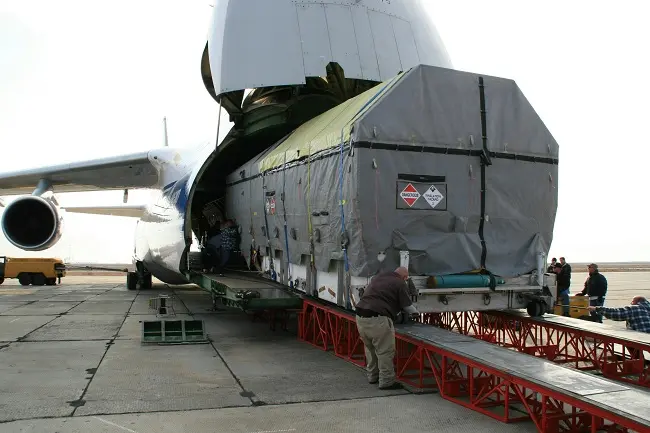
Understanding your air freight options is essential for making informed shipping decisions. The main types include:
Direct Air Freight: This premium service involves booking dedicated cargo space for your shipment alone. While it offers the fastest delivery times, it’s typically the most expensive option and best suited for large-volume or extremely urgent shipments.
Consolidated Air Freight: This cost-effective alternative combines multiple shipments, offering significant savings while maintaining reasonable transit times. It’s ideal for businesses with smaller cargo volumes or those seeking balance between speed and cost.
Express Air Services: Companies like DHL, FedEx, and UPS offer door-to-door express services with guaranteed delivery times. These services often use their own consolidation systems and provide comprehensive tracking.
Deferred Air Services: These offer slower transit times at lower costs, making them suitable for less time-sensitive cargo. Deferred services often involve more consolidation, which increases cost savings but extends delivery time frames.
For businesses engaged in Egyptian freight services, understanding these options helps in selecting the most appropriate shipping method based on cargo volume, urgency, and budget constraints.
What are the Benefits of Air Freight Consolidation Egypt?
Air freight consolidation in Egypt offers numerous advantages for businesses:
Cost Reduction:
By sharing transportation costs with other shippers, businesses can reduce their air freight expenses by 40-60% compared to direct air freight. This makes international shipping accessible even for smaller businesses.
Improved Cash Flow:
Lower shipping costs mean businesses can allocate resources to other critical areas like inventory, marketing, or expansion activities within the competitive logistics industry in Egypt.
Regular Scheduling:
Consolidators typically operate on regular schedules, providing predictable shipping options that help businesses plan their supply chain operations more effectively.
Access to Premium Services:
Through consolidators, small businesses gain access to the same airlines and routes used by large corporations, ensuring reliable service quality.
Simplified Documentation:
Professional customs clearance handling by consolidators reduces the risk of delays or penalties due to documentation errors.
Environmental Benefits:
Consolidation maximizes aircraft capacity utilization, reducing the carbon footprint per shipment—an increasingly important consideration for environmentally conscious businesses.
Flexibility:
Consolidation services accommodate various cargo sizes, from small parcels to pallet-sized shipments, providing flexibility for diverse business needs.
How Does Air Freight Consolidation Work?
The air freight consolidation process in Egypt follows a systematic workflow:
1: Booking and Pickup: Shippers contact a freight forwarder to arrange pickup. The consolidator collects cargo from multiple customers across Egypt, often providing road express services for ground transportation to the airport.
2: Cargo Reception and Documentation: At the consolidation facility, cargo is inspected, measured, and weighed. The consolidator prepares all necessary documentation, including air waybills, commercial invoices, and packing lists.
3: Consolidation: Shipments destined for the same region are grouped together and loaded into containers (Unit Load Devices or ULDs). This process requires careful planning to ensure efficient space utilization while maintaining cargo security.
4: Airport Transfer and Export Clearance: The consolidated cargo is transported to Cairo International Airport or other Egyptian airports. Export customs clearance is completed before the shipment is handed over to the airline.
5: Air Transportation: The consolidated shipment travels on commercial flights to the destination country. The consolidator provides air freight consolidation egypt tracking information so customers can monitor their shipments in real-time.
6: Deconsolidation and Delivery: Upon arrival, the shipment is cleared through customs and deconsolidated. Individual shipments are separated and delivered to their final destinations.
According to the International Air Transport Association (IATA), consolidation accounts for a significant portion of global air cargo traffic, demonstrating its importance in modern supply chains.
Responsibilities of an Air Freight Consolidator
Professional air freight consolidators in Egypt undertake multiple responsibilities:
Carrier Coordination: Negotiating competitive rates with airlines and securing adequate cargo space on suitable flights.
Documentation Management: Preparing and verifying all shipping documents to ensure compliance with international trade regulations and Egyptian export requirements.
Cargo Handling: Ensuring proper packaging, labeling, and handling of all consolidated shipments to prevent damage during transit.
Customs Compliance: Managing export and import customs procedures, ensuring all shipments meet regulatory requirements in both origin and destination countries.
Risk Management: Arranging cargo insurance and implementing security measures to protect shipments throughout the transportation process.
Communication: Providing regular updates to customers about shipment status, potential delays, and delivery schedules through advanced tracking systems.
Problem Resolution: Addressing issues that arise during transportation, such as customs holds, documentation discrepancies, or delivery challenges.
The Top 10 freight forwarders in Egypt distinguish themselves through their ability to expertly manage these responsibilities while maintaining high service standards.
Who Uses Consolidated Air Freight Services?
Air freight consolidation in Egypt serves a diverse range of businesses:
E-commerce Businesses: Online retailers shipping products internationally benefit from consolidated services to manage multiple small shipments cost-effectively.
Manufacturers: Companies exporting spare parts, components, or finished goods use consolidation to maintain steady supply chains without the expense of direct air freight.
Fashion and Apparel: Time-sensitive industries that need faster delivery than sea freight but can’t justify direct air freight costs.
Pharmaceutical Companies: Businesses shipping medical supplies and pharmaceuticals that require temperature-controlled air transportation.
Technology Sector: Electronics and technology companies shipping samples, prototypes, or smaller equipment batches internationally.
Agricultural Exporters: Egyptian agricultural businesses shipping perishable goods like fruits, vegetables, and flowers to European and Middle Eastern markets.
SMEs and Startups: Small and medium enterprises that lack the shipping volume to negotiate favorable rates independently benefit significantly from consolidation services.
Understanding the logistics of shipping in Egypt helps these businesses leverage consolidation services effectively for their specific needs.
How Does Customs Clearance Work with Consolidated Air Freight Shipments?
Customs clearance for consolidated shipments involves unique considerations:
Export Clearance: In Egypt, the consolidator handles export customs procedures, submitting required documentation to Egyptian customs authorities before the shipment departs. This includes the consolidated manifest listing all individual shipments.
Documentation Requirements: Each shipment within the consolidation requires its own commercial invoice, packing list, and any necessary certificates of origin or compliance documents.
Import Clearance: Upon arrival at the destination, customs authorities examine the consolidated shipment. Individual consignees must provide their specific import documentation for their portions of the shipment.
Potential Delays: If one shipment within a consolidation faces customs issues, it can potentially delay the entire consolidated cargo. Professional consolidators mitigate this risk through thorough pre-shipment documentation review.
Customs Brokers: Many consolidators partner with customs brokers in destination countries to facilitate smooth clearance processes and resolve any issues quickly.
Egyptian customs authorities have modernized their procedures significantly, implementing electronic systems that streamline air cargo customs clearance procedures for consolidated shipments. Working with experienced freight forwarders who understand these systems is crucial for avoiding delays and additional costs.
Challenges Faced by Air Freight Consolidators
Despite their benefits, air freight consolidators in Egypt face several challenges:
Capacity Constraints: Limited cargo space on popular routes can create booking difficulties, especially during peak seasons.
Regulatory Compliance: Navigating complex and changing regulations across different countries requires constant vigilance and expertise.
Security Requirements: Stringent air cargo security regulations impose additional screening and documentation burdens on consolidators.
Rate Fluctuations: Volatile fuel prices and airline capacity changes can affect air freight consolidation egypt rates, making pricing predictions challenging.
Technology Integration: Maintaining modern tracking systems and digital platforms requires significant investment in air cargo management solutions.
Competition: The growing number of consolidators in Egypt’s market creates pricing pressure while requiring continuous service improvement.
Infrastructure Limitations: Despite improvements, logistical infrastructure in some Egyptian regions can complicate cargo collection and delivery.
Service providers like World Cargo Egypt and other leading freight forwarders address these challenges through investment in technology, strong carrier relationships, and operational expertise.
Best Practices for Air Freight Consolidators Egypt
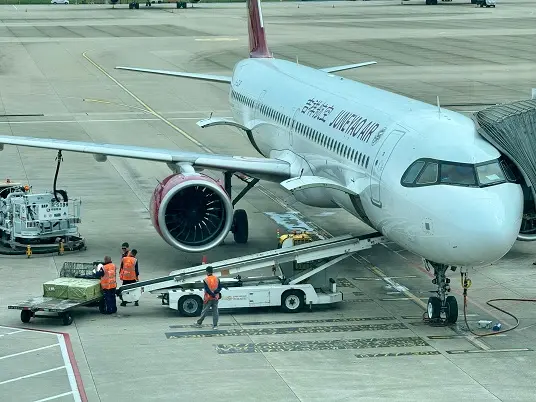
Successful air freight consolidators in Egypt implement these best practices:
Advanced Technology: Utilizing sophisticated air cargo tracking software provides real-time visibility and enhances customer satisfaction.
Strong Carrier Relationships: Building partnerships with multiple airlines ensures capacity availability and competitive rates.
Transparent Communication: Providing clear information about air freight consolidation egypt rates, transit times, and potential delays builds customer trust.
Quality Control Systems: Implementing rigorous cargo handling and documentation verification procedures minimizes errors and damage.
Customs Expertise: Maintaining up-to-date knowledge of Egyptian and international customs regulations prevents clearance delays.
Insurance Coverage: Offering comprehensive cargo insurance options protects both the consolidator and customers from potential losses.
Continuous Training: Regular staff training on industry developments, regulations, and customer service ensures high-quality service delivery.
Sustainable Practices: Adopting environmentally friendly operations appeals to eco-conscious customers and contributes to corporate social responsibility.
For insights into modern shipping services and industry trends, businesses can explore additional resources that help them stay informed about best practices.
How Can a Freight Forwarder Help Reduce Your Costs with Air Cargo Consolidation?
Professional freight forwarders provide substantial cost savings through:
Volume Discounts: Consolidators negotiate preferential rates with airlines based on their high shipping volumes, passing these savings to customers.
Route Optimization: Experienced forwarders identify the most cost-effective routing options, sometimes using indirect routes that offer better rates without significantly extending transit times.
Efficient Space Utilization: Expert cargo consolidation maximizes space usage, ensuring customers only pay for the space their cargo actually occupies.
Documentation Efficiency: Proper documentation prevents costly customs delays, penalties, or cargo holds.
Warehousing Services: Many forwarders offer storage facilities, allowing businesses to consolidate shipments over time before air transportation, further reducing costs.
Multi-Modal Solutions: Combining air freight with road express or sea freight services where appropriate creates additional savings opportunities.
Reduced Administrative Burden: Outsourcing logistics management to freight forwarders allows businesses to focus on core activities, indirectly reducing operational costs.
Companies seeking to optimize their shipping costs should consider exploring the development of Egyptian air shipping and how modern forwarders leverage these advancements to provide value-added services.
Can Consolidated Air Freight Be a Viable Alternative to LCL Shipping via Container?
Comparing consolidated air freight with Less than Container Load (LCL) sea shipping reveals distinct advantages for each:
Transit Time: Air freight consolidation typically delivers in 5-10 days, while LCL sea shipping can take 20-45 days depending on the route. For time-sensitive cargo, air consolidation clearly wins.
Cost Comparison: LCL is generally cheaper for larger shipments, but for smaller volumes (under 500 kg), the cost difference narrows significantly, making air consolidation competitive.
Cargo Suitability: High-value, perishable, or time-sensitive goods benefit more from air consolidation, while bulk commodities and non-urgent cargo suit LCL better.
Reliability: Air freight offers more predictable transit times, while sea freight faces greater variability due to weather, port congestion, and transshipment delays.
Inventory Costs: Faster air delivery reduces inventory holding costs and accelerates cash flow, which can offset higher transportation expenses.
Environmental Impact: Sea freight has a lower carbon footprint per kilogram, which may be important for companies with sustainability commitments.
For businesses evaluating these options, understanding the growth of Egyptian sea shipping alongside air freight developments helps in making informed decisions based on specific shipment requirements.
What Criteria Should You Use to Choose an Air Freight Consolidation Egypt Services?
Selecting the right freight forwarder for air freight consolidation in Egypt requires careful evaluation:
Industry Experience: Look for forwarders with proven track records in the logistics market in Egypt and extensive experience handling similar cargo types.
Network Coverage: Ensure the forwarder has strong partnerships with airlines and agents in your key destination markets.
Technology Capabilities: Modern tracking systems, online booking platforms, and digital documentation streamline operations and provide transparency.
Customs Expertise: Choose forwarders with deep knowledge of Egyptian export procedures and destination country import regulations.
Service Range: Comprehensive service providers offering customs clearance, warehousing, and door-to-door delivery provide greater convenience.
Financial Stability: Verify the forwarder’s financial health to ensure they can fulfill commitments and handle any claims or issues.
Customer Service: Responsive communication, dedicated account management, and proactive problem-solving distinguish excellent forwarders.
Transparent Pricing: Clear, itemized quotes without hidden fees demonstrate professionalism and build trust.
Insurance Options: Adequate cargo insurance coverage protects your investment throughout the shipping process.
References and Reviews: Check testimonials and references from businesses similar to yours to gauge service quality.
For businesses seeking reliable partners, researching the top freight forwarders in Egypt provides valuable insights into market leaders and their capabilities.
Conclusion
Air freight consolidation in Egypt represents a strategic shipping solution that balances cost-efficiency with reasonable transit times. As the logistics industry in Egypt continues to evolve and modernize, consolidation services become increasingly sophisticated, offering businesses of all sizes access to global markets without the premium costs of direct air freight.
Whether you’re an e-commerce entrepreneur, manufacturer, or agricultural exporter, understanding how air cargo consolidation works empowers you to make informed shipping decisions.
By partnering with experienced freight forwarders who offer comprehensive services including customs clearance, tracking, and door-to-door delivery, Egyptian businesses can optimize their supply chains while reducing costs and improving customer satisfaction.
The future of air freight consolidation in Egypt looks promising, with continued investments in airport infrastructure, customs modernization, and logistics technology.
Businesses that leverage these services strategically will gain competitive advantages in the global marketplace.
Ready to optimize your shipping costs with air freight consolidation? Book a pick up today and discover how professional consolidation services can transform your international shipping operations.
FAQs:
Q: How much can I save with air freight consolidation compared to direct air freight?
A: Businesses typically save 40-60% on shipping costs through consolidation services. Actual savings depend on shipment size, destination, and current market rates. Smaller shipments generally see higher percentage savings.
Q: What is the minimum shipment size for air freight consolidation in Egypt?
A: Most consolidators accept shipments as small as 1 kilogram, though the service becomes most cost-effective for shipments between 50-500 kilograms. Smaller parcels may be better suited for express courier services.
Q: How long does air freight consolidation take from Egypt to Europe?
A: Typical transit times range from 5-10 days door-to-door, including consolidation time, flight duration, and customs clearance. This is significantly faster than sea freight while remaining more affordable than direct air freight.
Q: Can I track my consolidated air freight shipment?
A: Yes, reputable freight forwarders provide tracking numbers and online systems for monitoring shipment progress from pickup through final delivery. Air freight consolidation Egypt tracking capabilities have significantly improved with modern logistics technology.
Q: What types of goods cannot be shipped through air freight consolidation?
A: Dangerous goods, hazardous materials, weapons, illegal substances, and certain perishables with extreme temperature requirements may face restrictions. Always consult your freight forwarder about specific cargo requirements and airline restrictions.
Q: Do I need to handle customs clearance myself?
A: Professional freight forwarders typically manage export customs clearance in Egypt as part of their consolidation service. However, you’ll need to provide necessary documentation and may need to arrange import clearance in the destination country, either independently or through the forwarder’s partner network.
Q: How do air freight consolidation rates compare between different Egyptian cities?
A: Cairo generally offers the most competitive rates due to its proximity to Cairo International Airport and higher consolidation volumes. Businesses in Alexandria, Port Said, or other cities may face slightly higher rates due to additional ground transportation costs, though the difference is usually minimal.
Q: Is cargo insurance included in air freight consolidation services?
A: Basic carrier liability is typically included, but it offers limited coverage. Most freight forwarders offer additional cargo insurance at competitive rates, which is highly recommended for valuable shipments. Always clarify insurance coverage before shipping.