The Logistics of Shipping in Egypt is vital to global trade, thanks to the country’s strategic location and access to the Suez Canal. With growing maritime, land, and air freight activity, businesses must navigate infrastructure, regulations, and customs. This article explores Egypt’s logistics ecosystem, key challenges, and opportunities for optimizing supply chains.
Table of Contents
ToggleStrategic Importance in the Logistics of Shipping in Egypt
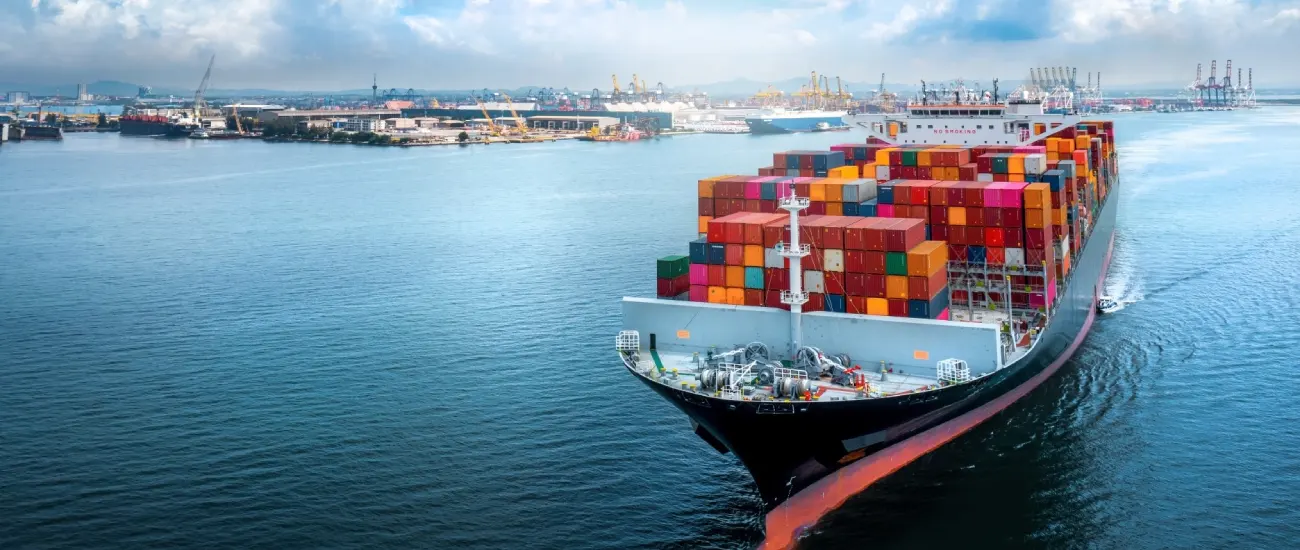
Egypt’s geographic position offers unparalleled access to major shipping lanes. The Suez Canal alone handles over 10% of global maritime trade, making it one of the most critical chokepoints in the world. This advantage has spurred growth in sea freight services and positioned Egypt as a gateway for goods moving between continents.
The Logistics of Shipping in Egypt benefits from this connectivity, enabling faster transit times and broader market access. Ports such as Alexandria, Port Said, and Damietta are undergoing modernization to accommodate larger vessels and improve cargo handling efficiency.
Land Freight and Road Express Services
Land transportation remains essential for domestic and regional shipping. Egypt’s road network connects major cities and industrial zones, but it still faces challenges such as traffic congestion, inconsistent road quality, and limited logistics hubs.
To address these issues, logistics providers offer road express services that optimize delivery routes and ensure timely shipments. These services are particularly valuable for last-mile delivery and cross-border trade with neighboring countries.
For a deeper understanding of the road freight landscape, read our article on the Challenges of Egyptian Land Shipping.
Air Freight and Customs Procedures
Air freight is increasingly vital for high-value and time-sensitive shipments. Egypt’s major airports, including Cairo International and Borg El Arab, are expanding their cargo handling capabilities. Our air freight services are designed to meet the demands of businesses seeking fast and secure transport.
However, air logistics also involves navigating complex customs procedures. Documentation requirements can be stringent, and delays at customs checkpoints are not uncommon. Our custom clearance services streamline this process, ensuring compliance and reducing bottlenecks.
To learn more, explore our articles on the Air Import Freight Forwarding Process and Air Cargo Customs Clearance Procedures.
Growth and Modernization in Egyptian Shipping
The Logistics of Shipping in Egypt is undergoing rapid transformation. Investments in port infrastructure, digital tracking systems, and trade facilitation are driving growth. The government’s Vision 2030 initiative includes plans to enhance logistics capabilities and attract foreign investment.
Technologies like air cargo tracking software are reshaping how businesses manage their supply chains. These tools offer real-time visibility, predictive analytics, and improved customer service.
The Egyptian government is spearheading an ambitious modernization agenda to solidify the country’s position as a top-tier global logistics hub. This strategic vision moves beyond simply managing existing trade flows and focuses on future-proofing the nation’s infrastructure.
A cornerstone of this effort is the massive development of the Suez Canal Economic Zone (SCZone), which is attracting significant foreign investment into industrial and logistics parks. These zones are designed to incentivize manufacturing and value-added services, transforming Egypt from a mere transit point into a comprehensive industrial and distribution center.
Concurrently, a national push for digitalization is revolutionizing the logistics of shipping in Egypt. Initiatives like the National Single Window for Foreign Trade (Nafeza) have streamlined customs processes by creating a centralized digital platform for submitting and approving all import/export documents.
This reduces physical interactions, minimizes paperwork, and significantly cuts clearance times. For shippers, this translates to enhanced predictability, lower risk of demurrage, and improved supply chain visibility. This commitment to technological and infrastructural upgrades directly addresses historical challenges and unlocks new levels of efficiency, making the logistics of shipping in Egypt more competitive and reliable than ever before.
For insights into sector growth, read about the Growth of Egyptian Sea Shipping and the Development of Egyptian Air Shipping.
Resources and Support for Shippers
Navigating the Logistics of Shipping in Egypt requires access to reliable resources and documentation. Our resources page offers valuable insights into shipping regulations, best practices, and industry updates.
Additionally, the forms & documents section provides essential paperwork for customs clearance, freight booking, and compliance. These resources help businesses avoid delays and ensure smooth operations.
Need to schedule a shipment? Use our Book A Pick Up page to get started quickly and efficiently.
Stay Updated with Industry Insights
We regularly publish articles and updates on logistics trends, regulatory changes, and shipping strategies. Visit our blog for the latest insights, including features like Modern Shipping Services and Logistics of Shipping in Egypt.
These articles provide actionable advice for businesses looking to optimize their logistics operations in Egypt and beyond.
Integrated Services for Seamless Logistics
At GCT Freight, we offer a full suite of services tailored to meet the diverse needs of businesses shipping to and from Egypt. Whether it’s air freight, sea freight, or road express, our integrated approach ensures efficiency, transparency, and reliability.
From custom clearance to last-mile delivery, our team is equipped to handle every aspect of the logistics process. We work closely with clients to develop customized solutions that align with their goals and timelines.
Frequently Asked Questions (FAQs)
Q: What does the Logistics of Shipping in Egypt involve?
A: It includes managing sea, air, and land freight, customs clearance, infrastructure challenges, and regulatory compliance.
Q: How can I book a shipment pickup?
A: Use our Book A Pick Up page to schedule your shipment quickly.
Q: Where can I find necessary shipping documents?
A: Visit our forms & documents section for downloadable resources and guidance.
Q: What are the main challenges in Egyptian logistics?
A: Key challenges include road congestion, customs delays, and infrastructure limitations. Our road express and custom clearance services help mitigate these issues.
Q: How is technology improving the logistics of shipping in Egypt?
A: Technology is a game-changer, directly addressing key challenges in the logistics of shipping in Egypt. The implementation of digital platforms like the Nafeza system has drastically streamlined customs clearance, reducing manual paperwork and delays. Furthermore, advanced cargo management solutions provide shippers with real-time tracking and data analytics, offering unprecedented visibility and control over their shipments from port to final destination. This digital transformation is making Egyptian logistics faster, more transparent, and highly efficient.