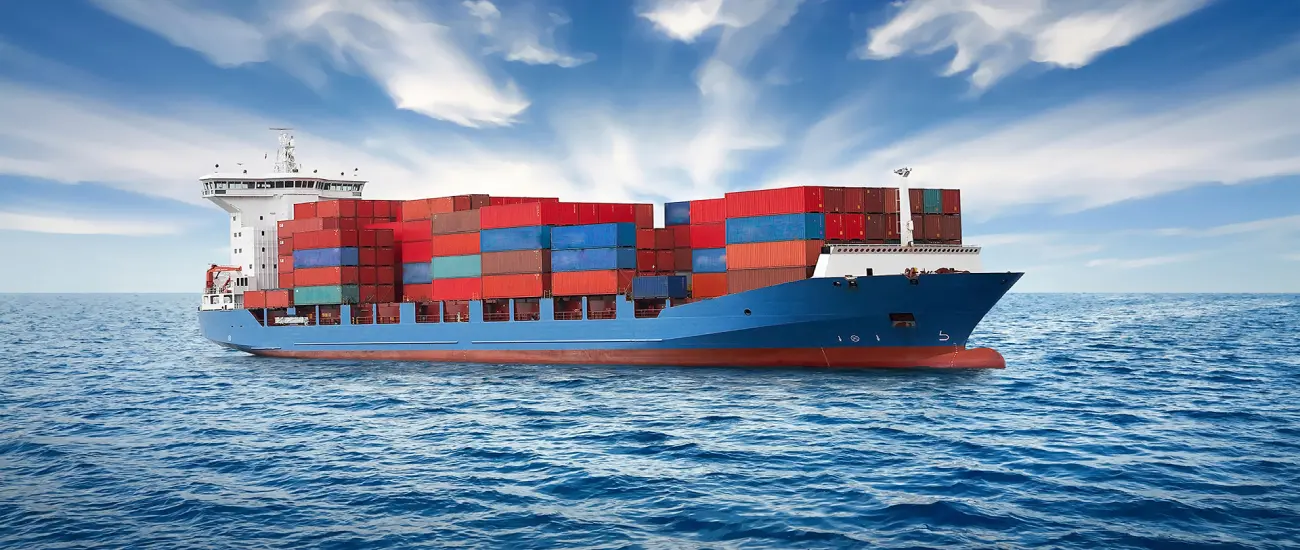
Egypt’s strategic location makes sea shipping a cornerstone of its economy. The Growth of Egyptian Sea Shipping is powered by the Suez Canal and port expansions like the Suez Canal Economic Zone. This solidifies Egypt’s role as a premier global logistics hub, facilitating efficient movement of goods between continents and underpinning the nation’s economic ambitions. The sector’s continued progress is a testament to its pivotal importance..
Table of Contents
ToggleGrowth of Egyptian Sea Shipping
Egypt’s sea shipping sector benefits immensely from the Suez Canal, one of the world’s most vital maritime routes. The canal connects the Mediterranean Sea to the Red Sea, significantly reducing travel time between the East and the West. This strategic asset underpins the recent growth of Egyptian sea shipping, facilitating faster and more efficient trade routes that boost the Egyptian economy. Egypt’s ports—such as Alexandria, Port Said, Damietta, Suez, and Sokhna—are key hubs for the loading, unloading, and transshipment of goods. These ports handle millions of tons of cargo annually, contributing to Egypt’s role as a significant regional trade center.
The growth of Egyptian sea shipping is underscored by a notable increase in container throughput and Suez Canal revenues. For instance, Egypt’s container port throughput reached 7.77 million TEUs in 2022, illustrating a steady growth trend. Moreover, in March 2025, the Suez Canal revenues surged to $335.6 million, reflecting a 29% increase from previous months, showcasing the canal’s recovery and importance despite regional challenges. These developments highlight Egypt’s growing influence in maritime trade.
Strategic Importance of Sea Shipping
Sea shipping is especially crucial for transporting bulk commodities such as petroleum, natural gas, grains, and manufactured goods. Its high capacity and cost-efficiency make it the preferred choice for international shipments compared to air or land transport. Egypt’s sea shipping growth is also propelled by its major ports served by modern logistics infrastructure, enabling the country to handle large volumes of bulk and container cargo efficiently.
Types of Maritime Shipping
Egyptian maritime shipping encompasses several types, including container shipping, bulk cargo shipping, and Roll-on/Roll-off (Ro-Ro) shipping for vehicles. Container shipping dominates, transporting manufactured goods in standardized containers, facilitating global trade. Bulk shipping is used for loose materials like coal and grain, while Ro-Ro shipping is essential for vehicles, reflecting a diverse and growing sector.
Sector Challenges
Despite the positive growth, the sector faces challenges such as infrastructure limitations at some ports, leading to congestion and delays. Some terminals still operate with outdated unloading and loading equipment, reducing efficiency and increasing costs. Bureaucratic and customs-related hurdles further complicate shipping operations, raising fees and causing delays that affect the competitiveness of Egyptian ports on a global scale.
Modernization and Future Prospects
To address these challenges, the Egyptian government has launched initiatives aimed at modernizing maritime logistics. These include expanding port capacities, automating operations, and partnering with international firms to upgrade infrastructure. The development of the Suez Canal Economic Zone (SCZone) is a pivotal element of this strategy, designed to transform Egypt into a global logistics and industrial center.
Digital transformation is another critical factor in the growth of Egyptian sea shipping. Major ports are adopting electronic cargo tracking, customs clearance automation, and terminal management systems to reduce wait times and increase transparency. Such advancements are expected to attract more international shipping lines to Egypt.
Importance of the Suez Canal
The Suez Canal remains Egypt’s crown jewel in maritime trade. It handled 121,902 vessels from 2019 to 2024 and generated almost $40 billion in revenue during that period. Although there was a temporary reduction in traffic in 2024 due to regional tensions, the canal has shown resilience with increasing vessel numbers and revenues in 2025. Its expansion projects have enhanced its capacity to meet the expected growth in global trade, further promoting Egypt’s maritime shipping industry.
FAQs
Q1: Why is the Growth of Egyptian Sea Shipping important for global trade?
A1: Egypt’s sea shipping growth is vital because the Suez Canal significantly shortens maritime routes between Europe, Asia, and Africa, facilitating faster and cost-effective transport of cargo globally. This boosts trade efficiency and supports Egypt’s role as a strategic logistics hub.
Q2: What are the main types of sea shipping in Egypt?
A2: The primary types include container shipping, bulk cargo shipping, and Roll-on/Roll-off (Ro-Ro) shipping for vehicles. Container shipping is the most common for manufactured goods, while bulk shipping handles loose commodities like grains or coal.
Q3: What challenges does Egypt face in the sea shipping sector?
A3: Challenges include port congestion, outdated infrastructure in some terminals, bureaucratic hurdles, and customs delays, which can increase costs and reduce competitiveness.
Q4: How is Egypt modernizing its maritime shipping sector?
A4: The government is expanding port capacities, digitizing logistics operations, and developing the Suez Canal Economic Zone (SCZone) to attract more global shipping lines and increase efficiency.
Q5: Where can I find services related to Egyptian sea freight and customs clearance?
A5: Comprehensive information on sea freight and custom clearance services can be found on the Sea Freight Services and Custom Clearance Services pages. You can also find all our services or book a pick-up directly online. For more industry insights, visit our blog and resources section.