Egypt’s location makes it a key logistics hub, yet the Challenges of Egyptian Land Shipping—from poor infrastructure to regulatory delays—limit its freight potential. This article explores major obstacles affecting land shipping and how logistics providers like GCT Freight are working to overcome them.
Table of Contents
ToggleInfrastructure Limitations and Road Conditions
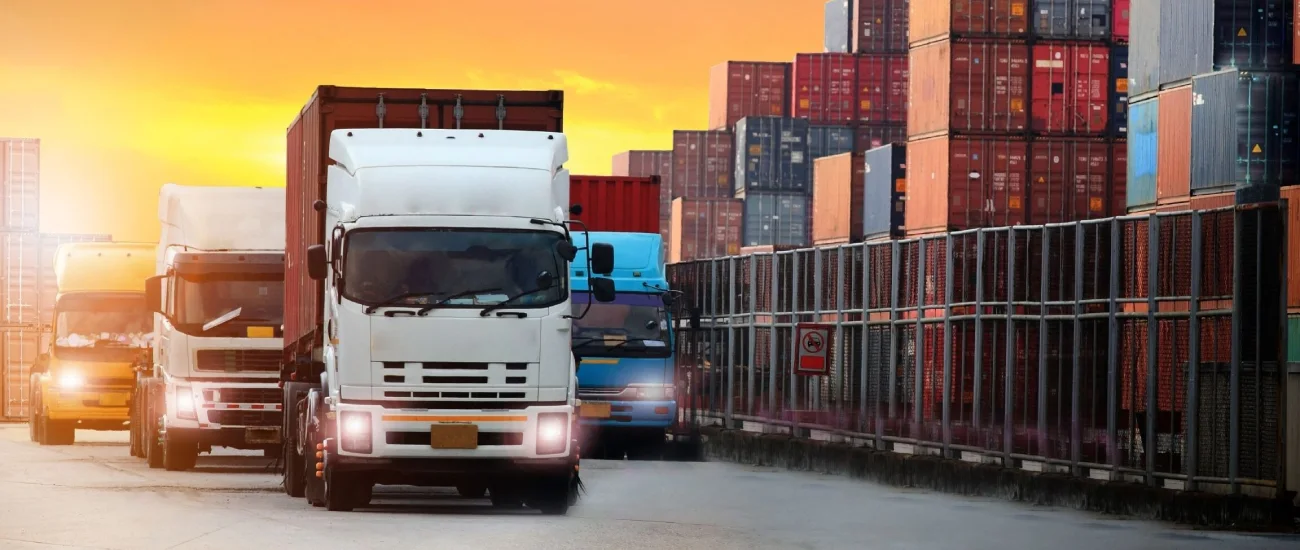
One of the most pressing challenges is Egypt’s aging road infrastructure. While major highways like the Cairo-Alexandria Desert Road and the Ring Road around Greater Cairo have seen improvements, many secondary routes remain poorly maintained. Potholes, narrow lanes, and lack of signage contribute to delays and increased vehicle wear and tear.
These issues are especially problematic for time-sensitive services like Road Express, which rely on speed and reliability. Without consistent road quality, express delivery timelines are jeopardized, affecting customer satisfaction and operational costs.
Regulatory and Customs Bottlenecks
Land shipping in Egypt is also burdened by complex customs procedures and inconsistent enforcement of regulations. Freight forwarders often face delays at checkpoints due to unclear documentation requirements or sudden policy changes. This is particularly challenging for cross-border shipments heading to Sudan, Libya, or other neighboring countries.
To mitigate these issues, companies must invest in robust Custom Clearance services that streamline paperwork and ensure compliance with local laws. GCT Freight’s expertise in customs clearance helps clients avoid costly delays and penalties, making land shipping more predictable.
Security and Risk Management
Security remains a concern, especially for shipments passing through remote or politically unstable regions. Cargo theft, vandalism, and hijacking incidents—though less frequent than in past decades—still pose risks to high-value goods.
Implementing GPS tracking and partnering with trusted carriers are essential strategies for minimizing these risks. For sensitive shipments, clients may opt for alternative modes like Air Freight or Sea Freight when land routes are deemed unsafe.
Lack of Digital Integration
Another challenge is the limited adoption of digital tools in land shipping operations. Many logistics providers still rely on manual tracking and paper-based documentation, which slows down communication and increases the risk of errors.
The lack of digital integration remains a critical bottleneck in Egyptian land shipping. Many logistics providers still rely on manual processes, such as paper-based documentation and phone-based tracking, which are prone to errors and delays. This creates significant information silos, making it nearly impossible to have full visibility into a shipment’s status or to coordinate seamlessly between warehouses, transporters, and customers.
Adopting modern air cargo tracking software and Transportation Management Systems (TMS) is key to overcoming this. These platforms automate workflows, provide real-time GPS tracking, and generate digital documentation, drastically reducing administrative overhead. For instance, integrating with national single-window systems like Egypt’s Nafeza platform can streamline customs pre-clearance. This digital transformation, as highlighted in reports by the World Bank, is crucial for enhancing trade efficiency. By moving towards a digitally-connected logistics ecosystem, companies can achieve greater predictability, reduce costs, and improve customer satisfaction, turning a major challenge into a competitive advantage.
Modern solutions like Air Cargo Tracking Software demonstrate how digital platforms can revolutionize freight visibility. Applying similar technologies to land shipping—such as real-time route optimization and automated dispatch systems—could significantly improve efficiency.
Seasonal and Environmental Challenges
Egypt’s climate also plays a role in land shipping reliability. Extreme heat during summer months can affect vehicle performance, while sandstorms in desert regions may disrupt visibility and road access. These environmental factors require proactive planning and flexible scheduling.
For businesses shipping temperature-sensitive goods, alternative modes like Air Import Freight Forwarding may offer better control over transit conditions.
Workforce and Training Gaps
The logistics sector in Egypt faces a shortage of trained drivers and logistics coordinators. Many operators lack formal training in route planning, cargo handling, and regulatory compliance. This contributes to inefficiencies and increases the likelihood of shipment errors.
Investing in workforce development is key to overcoming this challenge. Companies can collaborate with vocational institutions or offer in-house training programs to build a more skilled logistics workforce.
Opportunities for Improvement and Growth
Despite these challenges, the Egyptian land shipping sector holds immense potential. Government initiatives like the National Roads Project and increased investment in logistics hubs are promising signs of progress. Additionally, the rise of e-commerce and regional trade agreements are driving demand for faster and more reliable land freight services.
Freight forwarders can capitalize on this momentum by offering integrated solutions that combine land, sea, and air shipping. For example, GCT Freight’s Book A Pick Up service simplifies the shipping process for clients, allowing them to schedule pickups across multiple transport modes.
Conclusion: Tackling the Challenges of Egyptian Land Shipping
The Challenges of Egyptian Land Shipping are multifaceted, but not insurmountable. By addressing infrastructure gaps, streamlining regulations, enhancing security, and embracing digital transformation, Egypt can unlock the full potential of its land freight sector.
Logistics providers like GCT Freight are already leading the way by offering comprehensive services across Road Express, Custom Clearance, and Air Freight. With continued investment and innovation, the future of Egyptian land shipping looks increasingly promising.
For more insights into Egypt’s logistics landscape, explore our Resources, Forms & Documents, or visit our Blog for expert articles like Growth of Egyptian Sea Shipping and Development of Egyptian Air Shipping.
FAQs:
Q1: What are the main challenges of Egyptian land shipping?
A: The key challenges include poor road infrastructure, regulatory delays, limited digital integration, and security risks in remote areas. These factors can lead to shipment delays and increased costs.
Q2: How does GCT Freight help overcome land shipping issues in Egypt?
A: GCT Freight offers specialized Road Express and Custom Clearance services to streamline logistics, reduce delays, and ensure compliance with local regulations.
Q3: Is land shipping in Egypt suitable for time-sensitive cargo?
A: While land shipping can be used for time-sensitive deliveries, it’s important to assess route conditions and risks. In some cases, Air Freight may be a better alternative for urgent shipments.
Q4: What alternatives exist if land shipping is not viable?
A: Businesses can explore Sea Freight for bulk shipments or Air Import Freight Forwarding for faster delivery, depending on cargo type and urgency.