Egypt’s strategic location at the crossroads of three continents makes it an ideal export hub for businesses looking to reach international markets. Whether you’re a manufacturer, trader, or entrepreneur, understanding how to export from Egypt can unlock tremendous growth opportunities. This comprehensive guide walks you through the entire export process, from documentation to shipping methods, helping you navigate Egyptian export regulations with confidence.
Why Export from Egypt? Strategic Advantages
Egypt offers unique advantages for exporters that few countries can match. The Suez Canal connects Europe, Asia, and Africa, providing unparalleled access to global markets. In 2024, the canal handled over 20,000 vessels, demonstrating Egypt’s critical role in international trade.
Key Benefits of Exporting from Egypt:
- Geographic advantage: Reduced shipping times to Europe, Middle East, and Africa
- Free trade agreements: Access to 1.7 billion consumers through AfCFTA, EU partnerships, and Arab League agreements
- Competitive labor costs: Lower manufacturing expenses compared to developed nations
- Government support: Export incentives, tax rebates, and financial assistance programs
- Diverse export base: From agriculture to manufacturing, Egypt produces globally competitive products
According to the Egyptian Export Council, Egyptian exports reached $32 billion in 2023, with textiles, chemicals, agricultural products, and building materials leading the way. These numbers continue growing as more businesses discover how to export from Egypt effectively.
Understanding Egyptian Export Products and Markets
Top Egyptian Export Categories
Egypt’s economy produces a diverse range of exportable goods. Understanding which products have international demand helps you position your business strategically.
Agricultural Exports:
- Fresh produce (citrus fruits, strawberries, grapes, onions)
- Dates and dried fruits
- Rice and grains
- Herbs and spices
Manufacturing Exports:
- Ready-made garments and textiles
- Furniture and home décor
- Petroleum and petroleum products
- Chemicals and fertilizers
- Marble and granite
- Electronics and appliances
Emerging Export Sectors:
- Pharmaceuticals and medical supplies
- Information technology services
- Processed foods
- Cosmetics and personal care products
Understanding your product category determines which shipping method suits your needs. Fresh produce requires fast air freight services to maintain quality, while bulk materials benefit from cost-effective sea freight services.
How to Export from Egypt: Step-by-Step Process
Step 1: Register Your Business for Export
Before learning how to export from Egypt, ensure your business has proper registration:
- Commercial Register: Obtain from the General Authority for Investment (GAFI)
- Tax Card: Register with the Egyptian Tax Authority
- Importer-Exporter Card: Apply through the General Organization for Export and Import Control (GOEIC)
- Export License: Required for certain products (check GOEIC regulations)
The Ministry of Trade and Industry provides detailed guidance on registration requirements. Most businesses complete registration within 2-4 weeks.
Step 2: Understand Export Documentation Requirements
Proper documentation is crucial when you export from Egypt. Missing or incorrect paperwork causes costly delays at customs.
Essential Export Documents:
| Document | Purpose | Issuing Authority |
| Commercial Invoice | Details goods, value, terms | Exporter |
| Packing List | Contents, weight, dimensions | Exporter |
| Certificate of Origin | Proves Egyptian origin | Federation of Chambers of Commerce |
| Bill of Lading / Air Waybill | Transport contract, receipt | Shipping carrier |
| Export License | Required for restricted goods | GOEIC |
| Phytosanitary Certificate | For agricultural products | Ministry of Agriculture |
| Health Certificate | For food/pharmaceutical items | Ministry of Health |
GCT Freight’s custom clearance services help ensure all documentation is accurate and complete, preventing delays and penalties. Our experienced customs brokers understand Egyptian export regulations inside and out.
Step 3: Classify Your Products with HS Codes
Every exported product needs a Harmonized System (HS) code—an internationally standardized classification system. Correct classification affects:
- Export duties and fees
- Required permits and licenses
- Customs clearance speed
- Trade statistics
Egypt follows the World Customs Organization HS code system. Misclassification can result in penalties, so consult with customs experts if unsure. The Egyptian Customs Authority provides an online HS code lookup tool.
Step 4: Choose Your Shipping Method
Understanding how to export from Egypt means selecting the right transportation mode for your products. Each method offers distinct advantages:
Air Freight Export
Best For: Time-sensitive goods, high-value items, perishables
Our air freight services deliver Egyptian products to international markets within 24-72 hours. Cairo International Airport serves as the primary cargo hub, with additional capacity at Borg El Arab and the new Sphinx International Airport.
Advantages:
- Speed: 1-3 days to major markets
- Security: Enhanced handling and tracking
- Reliability: Fixed flight schedules
- Quality: Climate-controlled for sensitive goods
The development of Egyptian air shipping has modernized facilities and increased capacity, making air freight more accessible than ever.
Ideal Products for Air Export:
- Fresh fruits and vegetables
- Cut flowers
- Fashion and textile samples
- Electronics and technology
- Pharmaceuticals and medical equipment
- Urgent spare parts
Sea Freight Export
Best For: Bulk goods, heavy items, cost-sensitive shipments
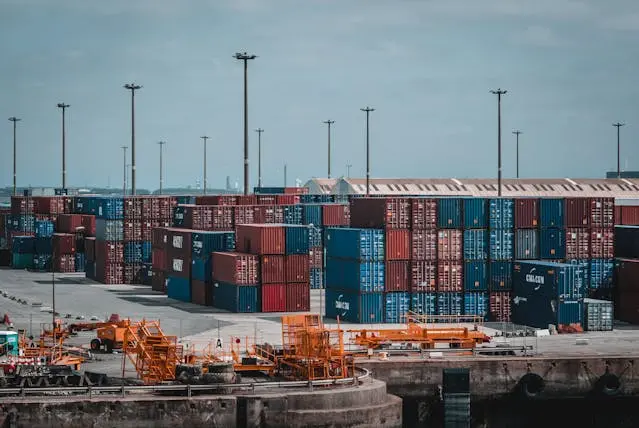
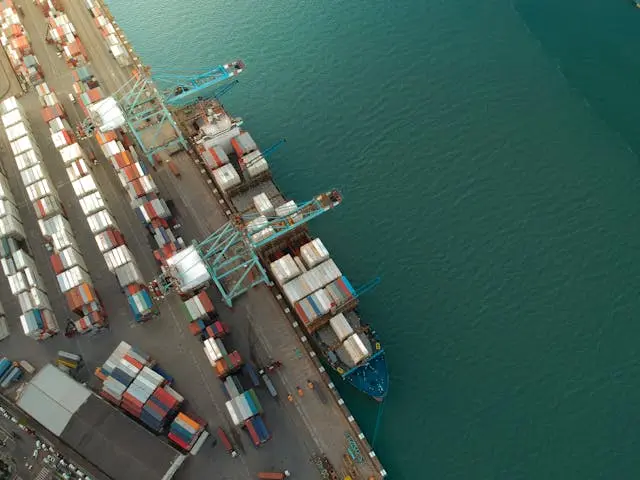
Sea freight services remain the backbone of Egyptian exports. The growth of Egyptian sea shipping has positioned the country as a premier maritime hub, with major ports including:
- Alexandria Port: Egypt’s largest, handling 60% of maritime trade
- Port Said: Strategic Suez Canal location
- Damietta Port: Specialized container terminal
- Sokhna Port: Modern Red Sea facility
Container Options:
- FCL (Full Container Load): Exclusive container for your goods
- LCL (Less than Container Load): Share container space, reduce costs
Transit Times:
- To Europe: 7-14 days
- To North America: 20-30 days
- To Asia: 15-25 days
- To Africa: 5-15 days
Ideal Products for Sea Export:
- Furniture and home goods
- Building materials (marble, granite)
- Chemicals and fertilizers
- Large machinery
- Bulk agricultural products
- Vehicles and equipment
Road Express Export
Best For: Regional markets, cross-border trade
When exporting to neighboring countries, our road express services provide efficient land transportation. Despite the challenges of Egyptian land shipping, GCT Freight has developed reliable solutions for regional exports.
Key Destinations:
- Libya
- Sudan
- Jordan
- Saudi Arabia (via ferry)
- Other Arab League nations
Advantages:
- Door-to-door service
- Lower costs for regional trade
- Flexible scheduling
- Easier handling of oversized cargo
Step 5: Navigate Egyptian Customs Export Procedures
Egyptian customs clearance involves several steps. Understanding the process helps avoid delays.
Export Customs Process:
- Submit Export Declaration: Electronic filing through the NAFEZA system
- Document Verification: Customs reviews paperwork
- Physical Inspection: Random or risk-based cargo checks
- Duty Assessment: Calculate applicable fees (many exports are duty-free)
- Release Authorization: Customs approves shipment departure
Average Processing Time: 24-48 hours for standard shipments
GCT Freight’s custom clearance services expedite this process through established relationships with customs authorities and deep knowledge of procedures.
Step 6: Arrange Cargo Pickup and Packaging
Proper packaging protects your goods during international transit and ensures compliance with shipping regulations.
Packaging Best Practices:
- Use export-quality materials (weather-resistant, durable)
- Secure items to prevent movement
- Add clear labeling in English and Arabic
- Include handling instructions (fragile, this side up, etc.)
- Meet destination country packaging requirements
Schedule pickup through our Book A Pick Up service—we collect from anywhere in Egypt, whether you’re in Cairo, Alexandria, or remote manufacturing zones.
Step 7: Track Your Shipment
Modern logistics of shipping in Egypt includes real-time tracking capabilities. Our air cargo tracking software provides:
- Live location updates
- Customs clearance status
- Estimated delivery times
- Automated notifications
- Document accessibility
Transparency throughout the shipping process gives you peace of mind and helps you coordinate with international buyers.
Ready to start your export journey?
Chat with Our Team on WhatsApp
Contact GCT Freight today for expert guidance on how to export from Egypt successfully.
Egyptian Export Incentives and Support Programs
The Egyptian government actively promotes exports through various incentive programs:
Export Development Fund
Provides financial support for:
- Market research and feasibility studies
- International marketing campaigns
- Participation in trade fairs
- Quality certification costs
Duty Drawback Scheme
Recover customs duties paid on imported raw materials used in exported products. This significantly reduces production costs for manufacturers.
Export Subsidies
Certain sectors receive direct subsidies based on export value:
- Textiles and garments: Up to 8%
- Engineering products: Up to 10%
- Agricultural products: Variable rates
Free Trade Zone Benefits
Operating from Egyptian free zones offers:
- 100% tax exemption on imported machinery
- No customs duties on raw materials
- Simplified export procedures
- Reduced administrative costs
Major free zones include:
- Suez Canal Economic Zone: Strategic location, world-class infrastructure
- Port Said Free Zone: Longest-operating free zone in Egypt
- Alexandria Free Zone: Near Mediterranean markets
- Nasr City Free Zone: Technology and manufacturing focus
Choosing the Right Freight Forwarder
Partnering with experienced logistics providers simplifies the export process. When selecting a freight forwarder, consider:
Essential Services:
- Multi-modal transport options (air, sea, road)
- Customs clearance expertise
- International network
- Cargo insurance
- Warehousing and consolidation
GCT Freight Advantages:
- IATA certified and accredited
- Established relationships with major carriers
- Local expertise in Egyptian regulations
- Competitive pricing through volume agreements
- Dedicated account managers
- Real-time tracking technology
- Comprehensive modern shipping services
Visit our services page to explore our complete logistics solutions.
Common Export Challenges and Solutions
Challenge 1: Complex Documentation
Problem: Missing or incorrect paperwork delays shipments
Solution: Partner with experienced customs brokers who understand Egyptian export requirements. GCT Freight’s team ensures all documentation is complete before shipment.
Challenge 2: Payment Security
Problem: Ensuring payment from international buyers
Solution: Use secure payment methods:
- Letters of Credit (L/C) through banks
- Documentary Collections
- Export Credit Insurance through Egyptian Export Credit Guarantee Company (ECGE)
- Escrow services
Challenge 3: Meeting International Standards
Problem: Products must comply with destination country regulations
Solution: Obtain necessary certifications:
- ISO quality standards
- CE marking for Europe
- FDA approval for USA
- Halal certification for Muslim markets
The Egyptian Organization for Standardization and Quality provides guidance on international compliance.
Challenge 4: Currency Fluctuations
Problem: Exchange rate changes affect profitability
Solution:
- Use currency hedging instruments
- Include currency adjustment clauses in contracts
- Work with banks offering favorable exchange rates
- Invoice in stable currencies (USD, EUR)
Export Success Stories from Egypt
Case Study 1: Fresh Produce Exporter
- Product: Egyptian strawberries
- Destination: Germany
- Challenge: 48-hour freshness window
- Solution: Express air freight with cold chain management
- Result: Delivered in 36 hours, secured long-term contract with major retailer
Case Study 2: Furniture Manufacturer
- Product: Hand-crafted wooden furniture
- Destination: United Kingdom
- Challenge: Cost-effective shipping for large items
- Solution: FCL sea freight consolidation
- Result: 40% cost savings, monthly export program established
Case Study 3: Textile Company
- Product: Ready-made garments
- Destination: Saudi Arabia, UAE
- Challenge: Frequent small shipments
- Solution: Road express services with scheduled departures
- Result: 7-day delivery cycle, eliminated warehousing costs
Export Cost Considerations
Understanding how to export from Egypt includes budgeting for all associated costs:
Direct Costs:
- Product manufacturing/sourcing
- Export packaging
- Inland transportation to port/airport
- Freight charges (air, sea, or road)
- Insurance premiums
- Customs clearance fees
Indirect Costs:
- Documentation and certification
- Marketing and sales expenses
- Payment processing fees
- Quality inspections
- Trade fair participation
Cost-Saving Strategies:
- Consolidate shipments for better rates
- Utilize duty drawback programs
- Choose optimal shipping methods for each product
- Partner with freight forwarders for negotiated rates
- Join export associations for group benefits
For detailed information on shipping costs, explore our resources on air freight consolidation Egypt and compare with options from the largest air freight companies.
Resources for Egyptian Exporters
Government Agencies:
- Egyptian Export Council: Export promotion and support
- General Organization for Export and Import Control (GOEIC): Licensing and regulations
- Egyptian Customs Authority: Customs procedures and tariffs
- Ministry of Trade and Industry: Trade policies and agreements
Industry Associations:
- Federation of Egyptian Chambers of Commerce
- Egyptian Exporters Association
- Sector-specific trade unions
GCT Freight Resources:
- Resources page: Shipping guides and industry insights
- Forms & Documents: Essential export paperwork
- Blog: Latest logistics news and tips
Getting Started with Your Export Journey
Now that you understand how to export from Egypt, take these immediate action steps:
- Register your business for export activities with GOEIC
- Research target markets and identify demand for your products
- Obtain necessary certifications for your product category
- Connect with a freight forwarder to understand logistics options
- Prepare your documentation using our forms and documents
- Book your first shipment through our Book A Pick Up service
GCT Freight’s team of export specialists is ready to help you navigate every step. Contact us for a free consultation and discover how our comprehensive services can accelerate your export success.
Chat with Our Team on WhatsApp
FAQs:
Q: What are the most profitable products to export from Egypt?
A: Top export products include fresh agricultural produce (citrus, strawberries), textiles and ready-made garments, building materials (marble, granite), chemicals, and furniture. Profitability depends on your expertise, market demand, and competitive advantages. Agricultural exports often yield high margins due to Egypt’s climate advantages, while manufactured goods benefit from competitive labor costs.
Q: How long does the export process take from Egypt?
A: Timeline varies by shipping method:
- Air freight: 3-7 days total (pickup to delivery)
- Sea freight: 15-45 days depending on destination
- Road express: 3-10 days for regional markets Add 2-4 weeks initially for business registration and documentation preparation.
Q: Do I need an export license to export from Egypt?
A: Most products can be exported freely from Egypt without special licenses. However, certain items require export permits from GOEIC, including antiques, specific chemicals, pharmaceuticals, and products with strategic importance. Check with GOEIC or consult with customs experts to determine your specific requirements.
Q: Which shipping method should I choose for my Egyptian exports?
A: Choose based on your product characteristics:
- Time-sensitive/perishable goods: Air freight services for speed and quality preservation
- Bulk/heavy items: Sea freight services for cost-effectiveness
- Regional markets: Road express services for flexibility and door-to-door convenience Our logistics experts provide free consultations to recommend optimal solutions.
Q: How does GCT Freight help with export customs clearance?
A: Our licensed customs brokers handle all export documentation, HS code classification, NAFEZA system filings, duty calculations, and liaison with Egyptian Customs Authority. We ensure compliance with regulations and expedite clearance, typically processing shipments within 24-48 hours. Our custom clearance services eliminate delays and prevent costly mistakes.
Q: What free trade agreements does Egypt have?
A: Egypt benefits from numerous trade agreements providing preferential market access:
- African Continental Free Trade Area (AfCFTA)
- Egypt-EU Association Agreement
- Greater Arab Free Trade Area (GAFTA)
- Common Market for Eastern and Southern Africa (COMESA)
- Mercosur Agreement
- Turkey-Egypt Free Trade Agreement These agreements reduce or eliminate tariffs on Egyptian exports to member countries.
Q: Can GCT Freight handle pickups from anywhere in Egypt?
A: Yes! We provide nationwide pickup services from all Egyptian governorates. Whether your facility is in Cairo, Alexandria, industrial zones, or remote areas, our logistics network ensures reliable collection. Use our Book A Pick Up service to schedule convenient pickup times.
Q: What insurance options are available for export cargo?
A: We offer comprehensive cargo insurance covering loss, damage, or theft during international transit. Insurance costs typically range from 0.3% to 1% of cargo value, depending on product type and destination. Coverage includes all-risk protection from pickup in Egypt through final delivery to your buyer. We recommend insurance for all international shipments to protect your investment.
Q: How can I track my export shipment from Egypt?
A: All our shipments include real-time tracking through our advanced air cargo tracking software and maritime tracking systems. You’ll receive a unique tracking number and access to our online portal showing live location updates, customs status, and estimated delivery times. Automatic notifications keep you informed of important milestones throughout the journey.
Q: What support does the Egyptian government provide to exporters?
A: The Egyptian government offers multiple export incentives including duty drawback schemes, export subsidies (up to 10% for certain sectors), financial support through the Export Development Fund, tax exemptions in free zones, and export credit insurance. The Egyptian Export Council provides market research, trade mission support, and international marketing assistance. These programs significantly reduce export costs and risks for Egyptian businesses.
Our comprehensive logistics solutions, from air freight to sea freight and custom clearance, ensure your products reach global markets efficiently and cost-effectively.